
Oats
Small but mighty nutrient bombs
Intro
Oats are fairly inconspicuous in supermarket aisles, but these little flakes are packed full of nutrients. They contain complex carbohydrates and fibre, which makes them an ideal fitness-snack and also suitable for a weight loss oriented diet. Suitable for sweet or savoury breakfasts, lunch ideas or crunchy snacks. Oats are versatile and can be easily integrated into different meals.
What are oats?
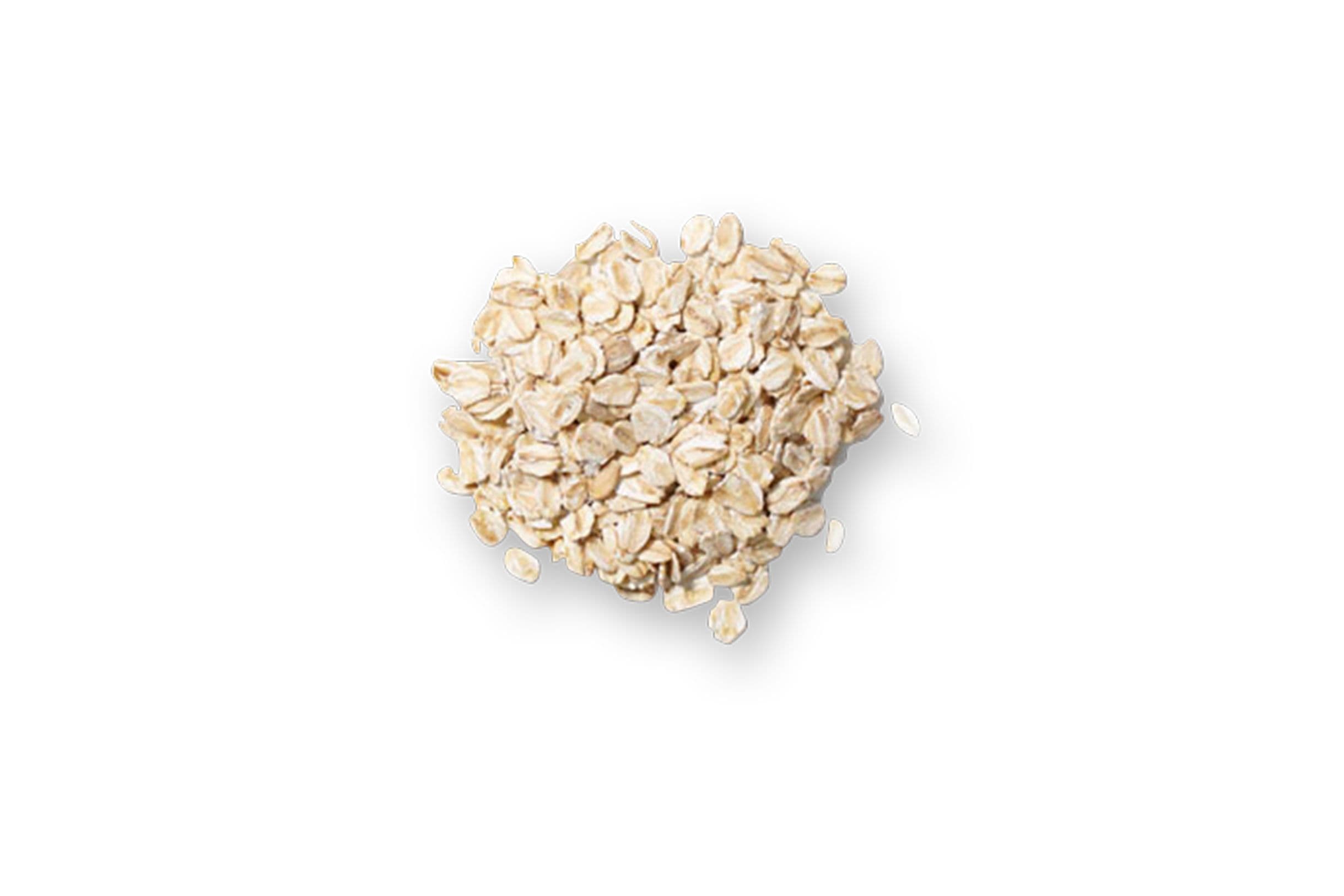
Oats are cereal flakes made from dehulled oat grains. Oats possess a nutty aroma which makes them a great ingredient for a diverse range of dishes. They are a key ingredient of mueslis, granolas and porridges. In Scotland in particular, porridges are a staple breakfast food.
Where do oats come from?
Oats are most commonly grown in northern and central Europe. In Germany, oats are grown in low mountain ranges, especially in Alpine foothills and coastal regions. Northern countries like Finland and Sweden are ideal environments for oats to thrive in.
Which types are there?
There are three different types of oats:
Tender oats (small leaf oats)
Kernel oats (large leaf oats)
Instant oats (melting oats).
When are oats in season?
Mid July to early August
Our tips for preparing oats:
Muesli, porridge, bread and baked goods, fritters, salad toppings and in smoothies
Oat Nutrition Facts per 100g:
Typical Values | 100g |
|---|---|
Calories | 389 |
Fat | 6.9g |
Carbohydrates | 66.3g |
Fibre | 10.6g |
Sugar | 0g |
Protein | 16.9g |
Nutrients found in oats:
Vitamins: B-Vitamins, Vitamin K and Vitamin E
Minerals: Iron, Calcium, Potassium, Phosphate, Magnesium, Copper, Zinc, Mangan and Selen